Let’s be honest, it's a tired trope: pot brownies are often reduced to a punchline about lazy stoners getting the munchies. But the true history of the weed brownie is actually far more interesting and inextricably linked to the legalization journey and queer liberation. This Pride month, we are excited to bring you the story of one advocate’s indelible mark on our tandem movements.

Meet Brownie Mary, the Godmother of Medical Marijuana
Mary Jane Rathbun was a godmother of medical marijuana in America. In the late 70s, Rathbun started making infused butter and brownies in her San Francisco home and distributing them to AIDS and cancer patients. Mostly young gay men, everyone who was treated with her brownies she regarded “My Kids.”
Rathbun was arrested for the first time at 57, and her grandma-like demeanor and appearance made her a sympathetic figure in the media, who gave her the nickname “Brownie Mary.” She was sentenced to 500 hours of community service, and enthusiastically completed her sentence in just 60 days by volunteering at a gay thrift store in San Francisco. Two years later, Rathbun was arrested again while delivering brownies to a cancer patient, but the district attorney ultimately dropped the charges.
Undeterred by legal risk, Rathbun was now gifting her famous “magic brownies” to treat wasting syndrome, a severe loss of appetite, for patients being treated for AIDS and cancer. She did this while also serving as a volunteer at the San Francisco General Hospital's AIDS ward, known as Ward 86.
In 1991, Rathbun helped to pass Proposition P, which protected San Francisco physicians from penalties for prescribing medicinal cannabis. The ballot initiative, which passed by a whopping 79%, also called on the state and the California Medical Association to make cannabis available for medicinal use and to protect recommending physicians from penalties.
Rathbun was arrested again in 1992, this time while cooking brownies in a friend's kitchen. She pleaded not guilty, and even refused a plea deal to insist on a jury trial. The courtroom was packed with advocates and patients; the case was a bona fide media circus. Ultimately, to avoid a spectacle that would make a strong case for medical marijuana with a sympathetic San Francisco jury in front of media hungry for election year controversy, the judge dropped the charges.
Later the same year, she helped convince the San Francisco Board of Supervisors to designate medical marijuana offenses as the lowest priority for arrest. By the end of 1992, she helped found the first medical dispensary in America, the San Francisco Cannabis Buyers Club.
The 1992 saga sparked international headlines and contributed momentum toward greater reforms. By 1996, California legalized medical marijuana through a ballot initiative with 55% approval. A folk hero to the gay community, Rathbun was recognized as Grand Marshall of the San Francisco Gay Pride parade in 1997, two years before her passing. At her memorial in 1999, the San Francisco District Attorney said to the crowd “Brownie Mary was a hero, and will one day be remembered as the Florence Nightingale of the medical marijuana movement.”

Cannabis and Queer Liberation: A Shared Fight
The modern popularity of cannabis culture is deeply rooted in the gay rights movement of Rathbun’s era. Pride Month just hits different for today’s cannabis community because many of us know that legalization and queer liberation are causes that have advanced in tandem for decades.
It is because of the queer community’s persistence through the AIDS crisis, not in spite of it, that we have widespread state-level legalization today. In fact, both causes have gained a cultural and legal foothold thanks to the shared advocacy strategy of citizen-led ballot initiatives. Because of this shared history, our fates are forever intertwined. That means when the queer community is under attack, like the trans community is today, it’s necessary for the cannabis community to speak up.

Advocates like Brownie Mary deserve our gratitude for their bold moves and sacrifices. But advocacy doesn’t have to be loud or illegal to matter. Sometimes it’s a quiet conversation between friends over a kitchen table. Those conversations can be incredibly powerful, opening hearts and minds on stigmatized topics one person at a time.
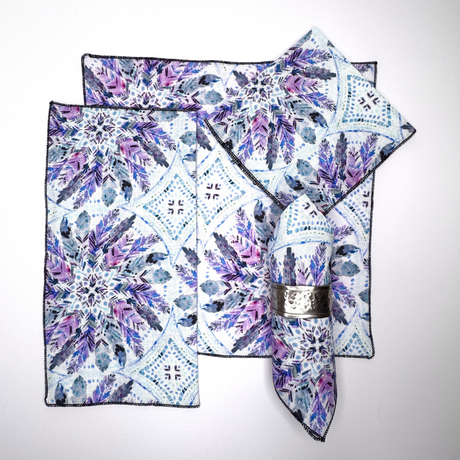
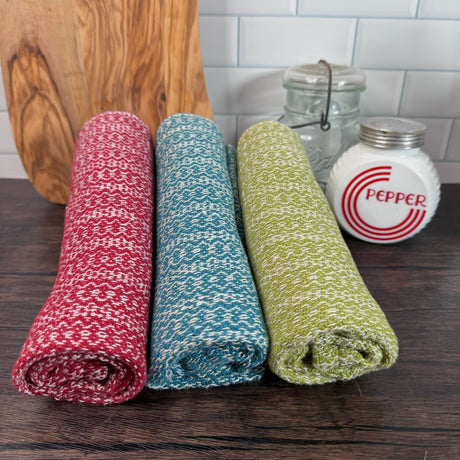
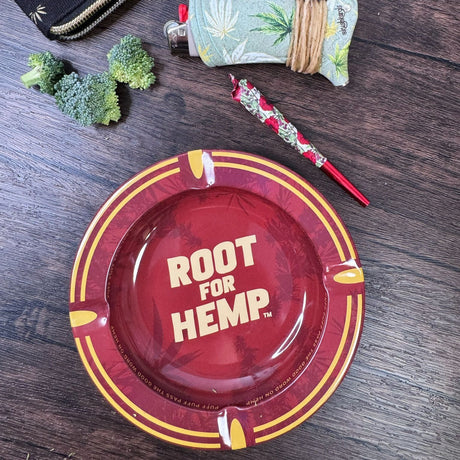
At Root for Hemp, we don’t have to worry about getting arrested for selling hemp napkins. But those napkins never could have existed without the brownie. We believe hemp gifts, like our napkins and hankies, can spark those same kitchen-table conversations. And that level of person-to-person advocacy is as important as ever.
We’re fortunate to live in a time when we don’t have to break the law to demonstrate the promise of hemp. We’re fortunate to have seen a glimpse of a world where LGBTQ folks can be who they are. But both battles are compromised right now. So, changing hearts and minds about cannabis, queer rights, and the threads that tie them together is as important as ever.
And you can do that from your kitchen table.